







Once all balances are transferred to the unadjusted trial balance, we will sum each of the debit and credit columns. The debit and credit columns both total $34,000, which means they are equal and in balance. However, just because the column totals are equal and in balance, we are still not guaranteed that a mistake is not present.
- Depreciation expense is reported on the income statement as any other normal business expense.
- Recognizing bad debts leads to an offsetting reduction to accounts receivable on the balance sheet—though businesses retain the right to collect funds should the circumstances change.
- These funds are retained for future business development, manifesting as a credit in the retained earnings account.
- A normal balance is the side of the T-account where the balance is normally found.
- All assets from cash to fixed assets are itemized, while liabilities are catalogued from immediate debts to long-term obligations.
Understand the concept of normal balance in accounting and its significance in finance. This means when a company makes a sale on credit, it records a debit entry in the Accounts Receivable account, increasing its balance. Conversely, when the company receives a payment from a customer for a previously made credit sale, it records a credit entry in the Accounts Receivable account, decreasing its balance. It’s essentially what’s left over when you subtract liabilities from assets. When owners invest more into the business, you credit the equity account, hence, it has a normal credit balance.
How Does Accrual Accounting Differ From Cash Basis Accounting?
There is no allowance, and only one entry needs to be posted for the entry receivable to be written off. The major problem with the direct write-off is the normal balance of accounts unpredictability of when the expense may occur. Consider a company that has a single customer that has a material amount of pending accounts receivable.
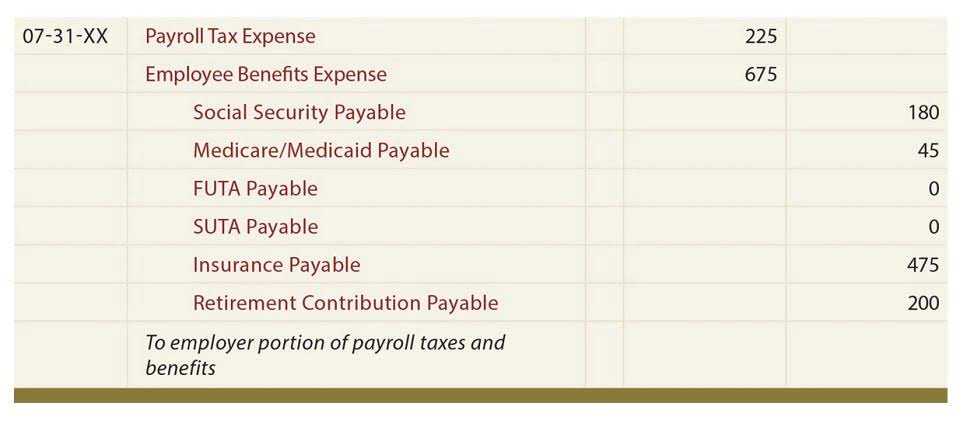
Companies that extend credit to their customers report bad debts as an allowance for doubtful accounts on the balance sheet, which is also known as a provision for credit losses. Accrued expenses are recognized by debiting the appropriate expense account and crediting an accrued liability account. A second journal entry must then be prepared in the following period to reverse the entry. Accrued expenses also may make it easier for companies to plan and strategize.
How do I determine whether an account should have a debit or a credit balance?
The normal balance can either be a debit or a credit, depending on the type of account in question. It is the side of the account – debit or credit – where an increase in the account is recorded. Last but certainly not least are the revenue account balance and expense account debit or credit. Revenue accounts typically have a credit normal balance, reflecting the inflow of economic benefits during a period. Expenses, on the other hand, usually bear a debit balance, indicating the cost incurred in the process of generating revenue. The correlation between these accounts is fundamental for preparing the income statement and accurately measuring the profitability of a business.
- Understanding these balance of accounts examples is key for both seasoned professionals and those new to the financial scene, as they provide a roadmap for recording and analyzing transactions.
- By applying the principles of normal balance, businesses can maintain balance in their financial records and present transparent and meaningful financial information to stakeholders.
- Accrued expenses theoretically make a company’s financial statements more accurate.
- Maintaining accurate records of these accounts ensures effective management of a business’s finances.
- Because of additional work of accruing expenses, this method of accounting is more time-consuming and demanding for staff to prepare.
- The normal balance of an account is the side of the account that is increased.
The rest of the accounts to the right of the Beginning Equity amount, are either going to increase or decrease owner’s equity. Based on the rules of debit and credit (debit means left, credit means right), we can determine that Assets (on the left of the equation, the debit side) have a Normal Debit Balance. If a trial balance is in balance, does this mean that all of the numbers are correct? It is important to go through each https://www.bookstime.com/ step very carefully and recheck your work often to avoid mistakes early on in the process. This is done for a few reasons, but the two most important reasons are that the company can claim higher depreciation deductions on their taxes, and it stretches the difference between revenue and liabilities. For example, factory machines that are used to produce a clothing company’s main product have attributable revenues and costs.