






It takes strength, resilience, and a willingness to change, but it’s possible. People struggling with addiction need the guidance of trained professionals to help them recover. Rehab therapists or professional counselors can provide the help your loved one needs. Recognizing that there’s a problem and accepting help can be difficult for those struggling with addiction. Denial often creates a barrier to progress, making it challenging to take the first step toward recovery. Understanding these stages can help you anticipate difficulties in your loved one’s journey.
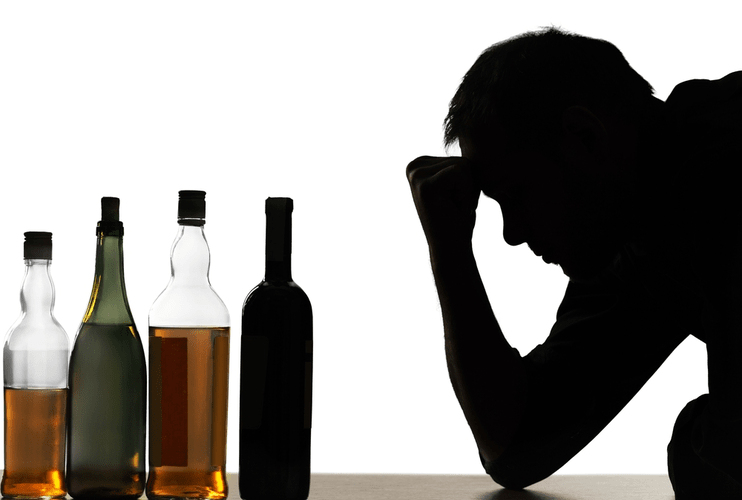
This strategy involves raising the drinking age, limiting “happy hours,” and increasing the price of alcoholic beverages or limiting the hours of their sale. This approach will not be discussed here, however, because it does not specifically target COA’s. After following their ritual, the addict uses drugs or alcohol to suppress, turn off, or ignore what’s triggering them. Have you ever heard anyone refer to addiction as a vicious cycle before? Addiction is often described that way because it’s cyclical and can’t be broken with goals, willpower, or effort alone.
If Someone Relapses, Does That Mean Their Treatment Didn’t Work?
In that initial use, the person may get a “high” or negative feelings may be reduced. The experience can prompt further use of the drug in order to feel the high or relief again. There is no denying how important a person’s past and the events they experienced can be when it comes to abuse. We provide a premium rehab treatment program, allowing you to conquer drug and alcohol abuse through rehab detox. You will be under the care of highly trained staff, who will utilise their vast experience in drug and alcohol abuse rehab treatment.
For example, separate from those who would encourage you to be involved with the object of your addiction (drug, alcohol, or behavior). If you are trying to quit drinking, get rid of any alcohol, bottle openers, wine glasses, and corkscrews. If you’re trying to quit gambling, get out of addiction cycle remove any playing cards, scratch tickets, or poker chips. Also, don’t let other people use or bring reminders of the addiction-related substance or behavior into your home. Breaking free from that harmful cycle can be challenging when someone struggles with addiction.
Strengthening Families Program
Another useful questionnaire is the Children of Alcoholics Screening Test (CAST) (Jones 1982; Sheridan 1995), designed to identify both young and adult children of alcoholics. The 30-item instrument probes the respondent’s attitudes, feelings, perceptions, and experiences related to the drinking behavior of the respondent’s parents. Because of time constraints and the fact that many school-based programs are run by teachers rather than psychologists, such measures are not routinely used to identify COA’s in the school environment.
- When a person develops tolerance, they increase the dosage to which they also become tolerant eventually.
- When someone’s caught in the vicious cycle of addiction, the possibility of breaking free is often the last thing on their minds, especially when they’ve tried and failed before.
- This is because, once dopamine has been stimulated by artificial factors, the brain keeps asking for more, leading to continued substance use.
- In their minds, they “know” rehab doesn’t work, but when they don’t know where else to turn, they eventually give rehab another desperate attempt.
- An addict in this stage needs counseling and support to help them move to the next.
- By diverting these individuals from traditional incarceration, these alternatives offer hope for recovery, reduce the likelihood of reoffending, and ease the burden on overcrowded prisons.
- While it’s important to be certain about some things, you also have to be willing to admit what you don’t know when you’re trying to break the cycle of addiction.
I have worked with individuals who have dealt with the horrors of addiction for the past 15 years. During that time, I have seen numerous families impacted due to https://ecosoberhouse.com/ the generational curse of addictive behaviors. I have worked with these individuals over the years and in some cases have worked with their children as well.
The Most Common Relapse Triggers
Some people take a drug for the first time out of curiosity, but habitual drug use suggests a deeper reason for the behavior. Often people who habitually use drugs do so because they are attempting to feel better or find relief from stress, anxiety, pain, fear, etc. Then dependence forms, creating a physical need for the drug to function. This loss of control may become apparent to the addict and possibly people close to them. But brain imaging also shows what is happening internally to cause loss of self-control. Habitual drug use changes the part of the brain that regulates behavioral control and decision making, allowing an addiction to take hold.
Substance abuse prevention can occur within the home, schools, or in communities. This may occur through family-focused intervention or through a structured school or community prevention program. We can easily consider the six stages of addiction as a wheel that keeps turning and turning on the road. Many studies have found that relapse rates within the first twelve weeks after the completion of intensive inpatient programs are about 50%. The relapse episodes may last from four to twelve weeks and can cost tens of thousands of dollars. For that reason, it’s crucial to make the right choice, get professional help, and join a facility with a team of experts who know how to help you prevent or overcome your relapse.